
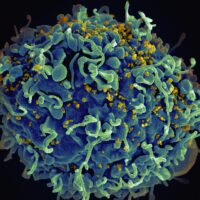
Human immunodeficiency virus, commonly known as HIV, is a virus that targets the immune system and can lead to acquired immunodeficiency syndrome (AIDS) if left untreated. HIV can be transmitted through sexual intercourse, using needles that have been in contact with bodily fluids containing HIV, and during pregnancy, childbirth, or breastfeeding—a concept known as vertical transmission.
Over the past four decades, tremendous progress has been made to advance the science of HIV testing, prevention, and treatment. Safe and effective antiretroviral therapy (ART) allows people with HIV to achieve a typical lifespan. When taken as prescribed, ART can suppress the amount of virus in the blood to a level so low that it cannot be transmitted to sexual partners—a concept known as Undetectable=Untransmittable (U=U). Antiretroviral drugs can also prevent vertical HIV transmission. Several highly effective HIV prevention methods are also available including pre-exposure prophylaxis (PrEP), post-exposure prophylaxis (PEP), and voluntary adult medical male circumcision. Long-acting modalities are making it possible to treat and prevent HIV without a daily pill. Nonetheless, more progress is needed to reduce the rate of new HIV diagnoses and HIV-related deaths, and to address the health disparities that affect HIV outcomes. A preventive vaccine and a therapeutic cure are critical to ending the global HIV pandemic.