
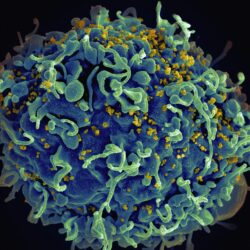
Human immunodeficiency virus, commonly known as HIV, is a virus that targets the immune system and can lead to acquired immunodeficiency syndrome (AIDS) if left untreated. HIV can be transmitted through sexual intercourse, using needles that have been in contact with bodily fluids containing HIV, and during pregnancy, childbirth, or breastfeeding—a concept known as vertical transmission.
RESEARCH AREAS
TUBERCULOSIS
Tuberculosis (TB) is a contagious disease caused by infection with Mycobacterium tuberculosis (Mtb) bacteria. It is spread through the air when a person with TB disease of the lungs or throat coughs, speaks or sings, and people nearby breathe in these bacteria and become infected.


CORONAVIRUS DESEASE (COVID-19)
Coronaviruses are a large family of viruses that usually cause mild to moderate upper-respiratory tract illnesses, like the common cold. However, three coronaviruses have caused more serious and fatal disease in people: SARS coronavirus (SARS-CoV), MERS coronavirus (MERS-CoV), and SARS-CoV-2 (which causes COVID-19).
Our Studies
- ORCHID (INA-107) : INA-RESPOND Observational Research on Infectious Disease Outbreaks & Difficult Cases of Unidentified Etiology in Indonesia; COVID-19 Pandemic
- ITAC/INSIGHT-013 : An International Multicentre, Adaptive, Randomized Double-Blind, Placebo-Controlled Trial of the Safety, Tolerability and Efficacy of Anti Coronavirus Hyperimmune Intravenous lmmunoglobulin for the Treatment of Adult Hospitalized Patients at Onset of Clinical Progression of COVID-19 / Inpatient Treatment with Anti-Coronavirus lmmunoglobulin
- InVITE : International Study on COVID-19 Vaccine to Assess lmmunogenicity, Reactogenicity and Efficacy
- ICOS : An International Observational Study of Outpatients with SARS-CoV- 2 Infection/ International SARS-CoV-2 Infection Observational Study
ETIOLOGY STUDIES
Etiology studies focus on identifying the infectious agents responsible for clinical syndromes such as acute febrile illness, sepsis, and pneumonia.
Our Studies
- SEPSIS (SEA-050) : An Observational Study of the Causes, Management, and Outcomes of Community-acquired Sepsis and Severe Sepsis in Southeast Asia
- AFIRE (INA-101) : The Etiology of Acute Febrile Illness Requiring Hospitalization
- PEER PePPes (INA-201 ) : Implementing a Combination of Clinical Parameters (Rapid Diagnostic Tests (RDTs), Biomarkers, and Standard of Care Procedures (SoCs)) for the Etiology Diagnoses

SCHISTOSOMIASIS
Schistosomiasis, also known as bilharzia or snail fever, is an acute and chronic disease caused by parasitic flatworms called schistosomes or blood flukes. Most human infections are caused by Schistosoma mansoni, S. haematobium, or S. japonicum. The parasites spend part of their lifecycle in freshwater snails. The infectious, larval form emerges from the snail and contaminates water.
© Copyright - Ina-Respond. 2026